
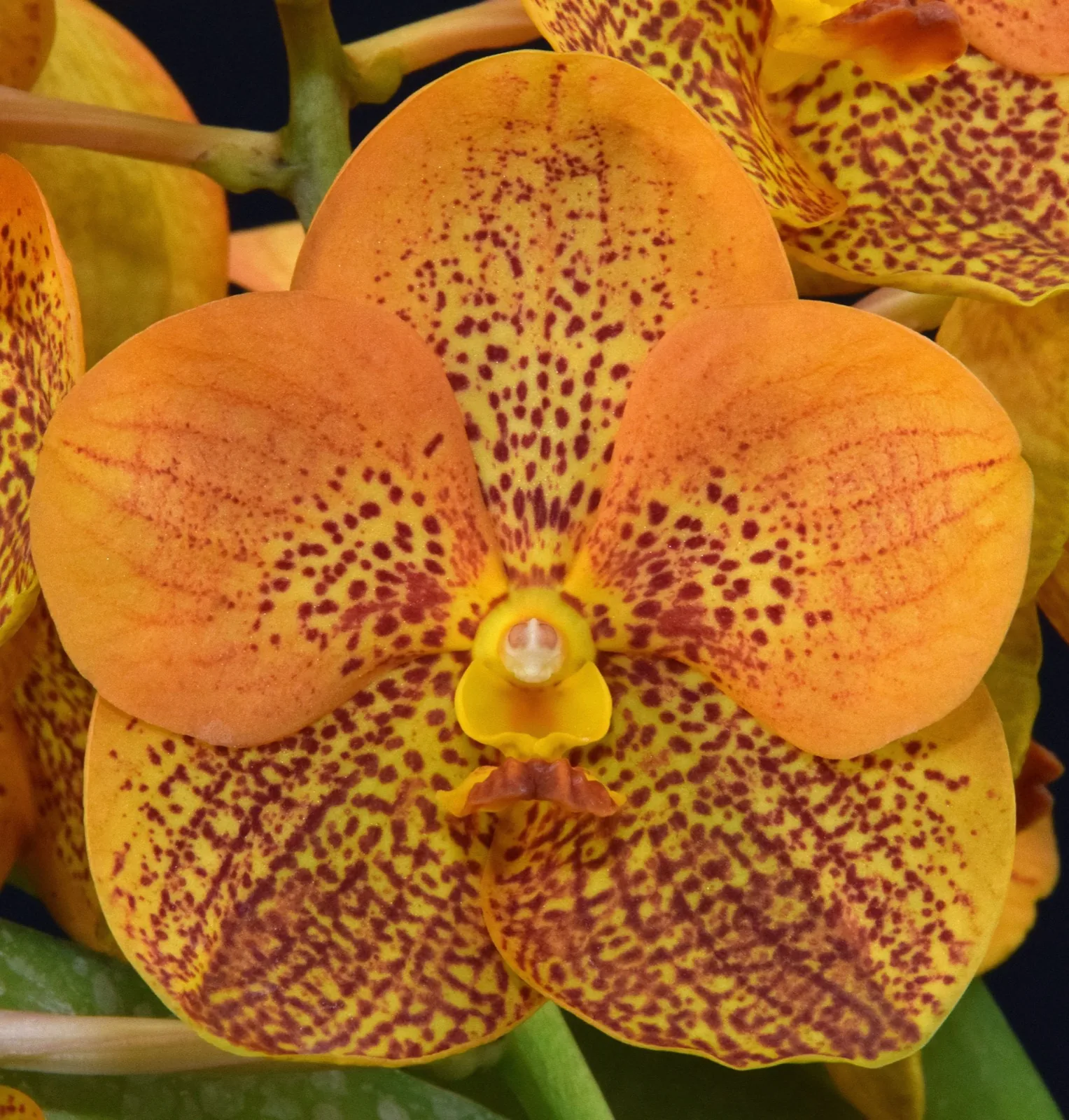
Growing Vanda · Intermediate
Growing Vanda Orchids in Florida Heat and Humidity
Why This Topic Matters in Martin County
Vandas thrive when roots receive bright light, rapid drying, frequent hydration and abundant airflow.
South Florida conditions can produce exceptional Vanda growth, but they also magnify the consequences of poor air movement or mechanical damage during storms.
For growers in Stuart, Jensen Beach, Palm City, Hobe Sound and Port Salerno, the best results usually come from routines shaped by local weather rather than by generic national advice.
That local framing also improves search intent for readers who are specifically trying to understand how orchids behave in Florida's Treasure Coast climate instead of in cooler or drier regions.
What Experienced Growers Check First
Root vigor, leaf spacing, strap-leaf posture and bloom frequency show whether the plant is really receiving enough light and hydration.
This is why local orchid growers spend so much time studying roots, media, leaf color, new growth and the actual conditions around the plant before recommending a correction.
The habit of careful diagnosis is part of what turns beginners into reliable growers over time, because it replaces guesswork with repeatable observation.
A Practical Treasure Coast Approach
Grow Vandas where they receive abundant bright light and open air movement.
Water frequently enough to support exposed roots without trapping moisture around the crown overnight.
Secure hanging plants before storm season and inspect root systems after strong wind events.
Common Mistakes To Avoid
Many setbacks are preventable once the most common missteps are named clearly and checked against your own growing setup.
- Treating Vandas like bark-grown windowsill orchids
- Under-lighting plants until growth stretches and bloom count drops
- Ignoring storm preparation for hanging baskets
Seasonal Notes for Florida Orchid Growers
Summer growth can be explosive when water, feed and airflow are all in balance.
Cooler winter spells may require slightly slower watering and close observation of root hydration.
Seasonal planning matters because even reliable routines need to be tightened or relaxed as daylight, rainfall and overnight temperatures shift through the year.
On the Treasure Coast, a successful routine in April may need meaningful changes by August, which is why good orchid care is always responsive rather than rigid.
How MCOS Members Put This Into Practice
Treasure Coast Vanda growers often share practical setup ideas because exposure, hanging method and microclimate make such a difference outdoors.
That shared Treasure Coast perspective is one reason a local orchid society becomes more useful than a generic care article alone.
It also means growers can compare what worked in real Martin County patios, greenhouses, lanais and restoration settings instead of relying only on anonymous online advice.
When To Ask for Help
Some orchid problems should be handled quickly, especially sudden rot, unexplained spotting, collapsing roots or plants that have already declined through several seasons of weak growth.
The most useful help request includes the orchid type, potting setup, last repot date, watering pattern, light conditions and clear photos of the roots, leaves and newest growth.
That level of detail gives experienced growers a far better chance of offering accurate, local advice that fits conditions in Stuart and the broader Treasure Coast.
Build a Better Growing Record
Serious growers become more effective when they write things down. A simple record of bloom timing, repotting dates, fertilizer changes, weather stress and plant responses can reveal patterns memory alone will miss.
This matters in Florida because long growing seasons can hide the true cause of a problem until months later. Notes make it easier to connect the result to the earlier decision.
Over time, that record turns each plant into a better teacher and makes future troubleshooting faster and more reliable.
Quick Checklist
Use this short checklist as a review point whenever you are trying to improve consistency or diagnose why a plant is not responding as expected.
When a plant begins to decline, walking back through this list often reveals whether the issue is environmental, cultural or simply a timing mismatch.
- Use very bright light
- Keep roots exposed and fresh
- Water frequently but wisely
- Plan for storm safety
Frequently Asked Questions
Can Vandas stay outside year-round in Martin County?
Many can, especially warm-growing types, but wind, cold snaps and prolonged rain still require active management.
Why are my Vanda roots sparse?
Low light, irregular watering, heat stress without airflow or root damage from previous culture can all contribute.
Continue Through the Knowledge Center
The care library is designed as an interconnected resource, so the most useful next step is usually to compare this topic with related pages on light, watering, repotting, local climate and bloom timing.